Choosing a mixer for music audio production means balancing channel count, connectivity, and how much you want to spend. These two options make that balance interesting: they share the same product title, the same feature set, and the same Bluetooth and USB connectivity. The only visible difference is the price. So the buyer decision here is simple on the surface: do you pay more for what looks like the same mixer, or do you go with the lower-priced version?
Quick Verdict
Both options describe the same 16-channel studio audio mixer with Bluetooth and USB connectivity. The specs match across the two: 16 channels, a >85dB crosstalk spec, and a 20Hz-30kHz frequency response. That means the decision comes down to price. The first product is listed at USD 96.99 and the second at USD 110.85, leaving a $13.86 gap. When the details are the same, the lower price is the logical default.
At a Glance
| Item | Listed price | Price indicator | Channel | Crosstalk (1kHz) |
|---|---|---|---|---|
| 16 Channel Studio Audio Mixer Bluetooth USB Digital Sound Mixing Console Board | USD 96.99 | 16 channels | > 85dB | |
| 16 Channel Studio Audio Mixer Bluetooth USB Digital Sound Mixing Console Board | USD 110.85 | 16 channels | > 85dB |
Where Each Product Wins
The lower-priced product wins on price alone. It matches the higher-priced product on every shared spec, including Bluetooth and USB functions and the same frequency response. The higher-priced product doesn't bring any extra channel, connectivity option, or feature to the table. In a side-by-side with identical specs, a higher listed price is a disadvantage rather than a differentiator.
Product Notes
16 Channel Studio Audio Mixer Bluetooth USB Digital Sound Mixing Console Board (lower-priced)
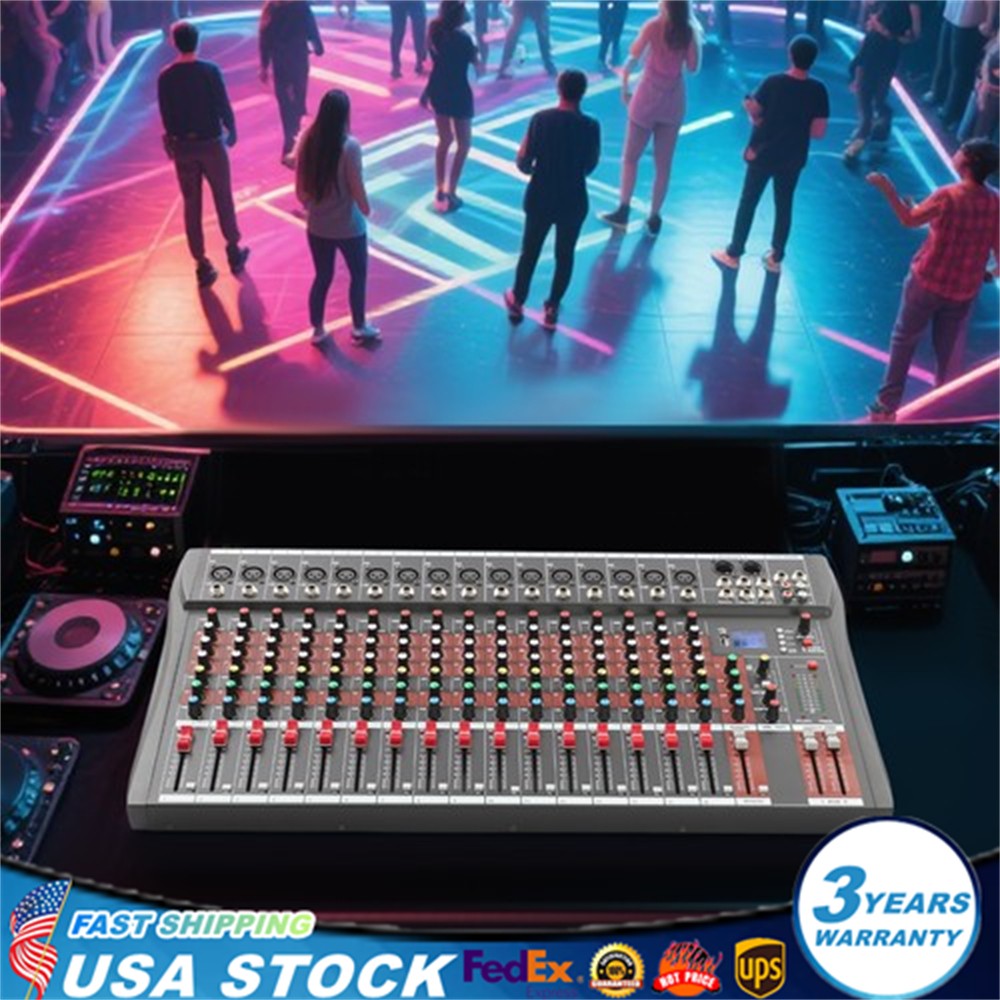
The less expensive version brings the mixer in at the lower end of the two prices. The description points to a metal housing treated with a powder-coated surface, and the specs list the 20Hz-30kHz frequency response with >85dB crosstalk. Since the specs match the more expensive version, the reason to choose it is the lower price without giving up any shared features. The limitation is expectation management: nothing here suggests extra channels or a different build. You get the same mixer as the costlier option, just at a lower price. If this mixer setup is what you need, this is the one to start with.
16 Channel Studio Audio Mixer Bluetooth USB Digital Sound Mixing Console Board (higher-priced)
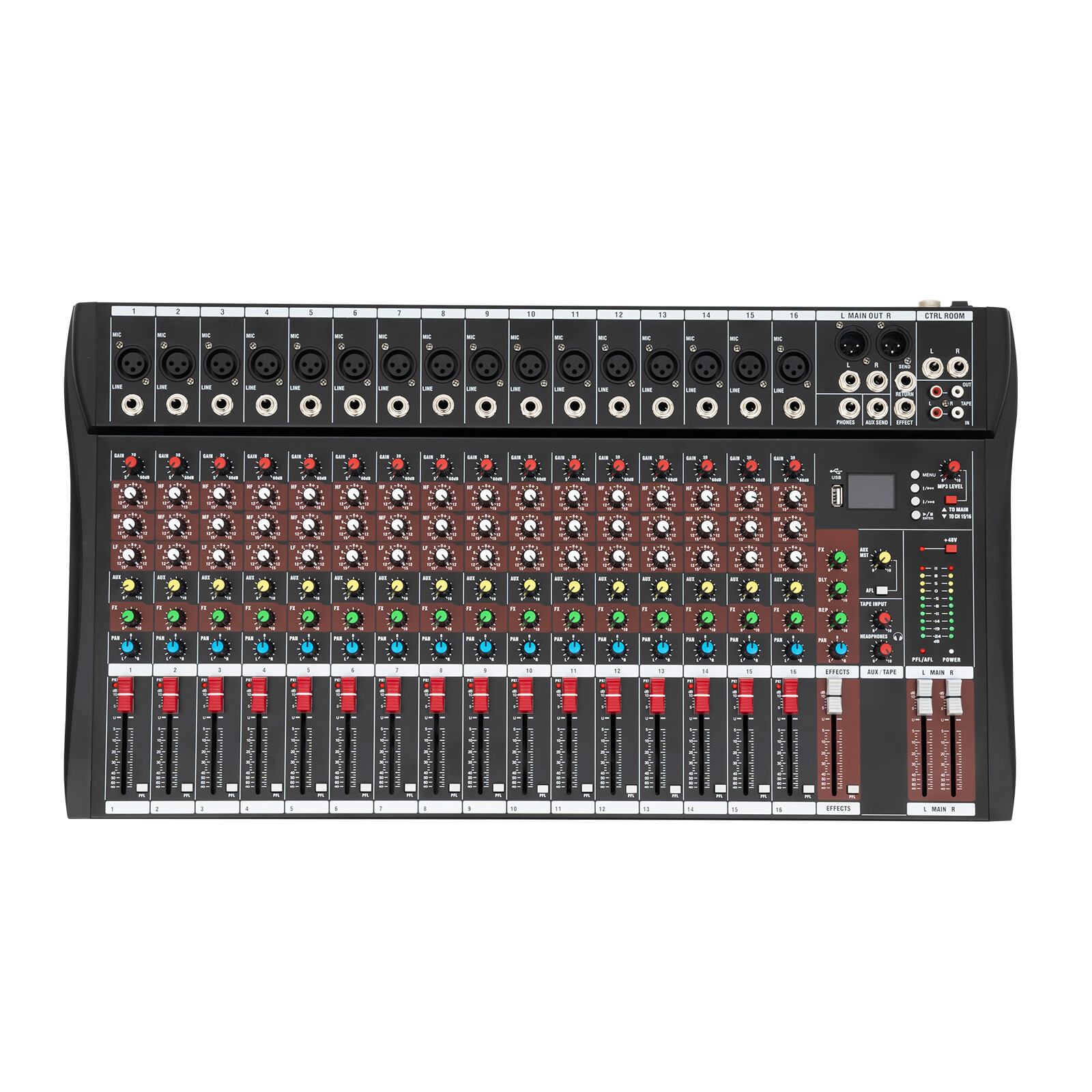
The more expensive version asks for a higher price while showing the same mixer name, the same connectivity options, and the same performance specs. The description includes a detailed specification list covering power input and the LED level meter, but that detail describes the same mixer functionality rather than a different product. The concrete reason to hesitate is the cost: you would pay more for a feature set that looks identical. If there is no other benefit attached to this option, the higher price goes against it. For most shoppers, the less expensive version will deliver the same core mixer without the extra outlay.
Final Choice by Use Case
If you're picking a mixer for music audio production, the lower-priced version is the straightforward pick because the higher-priced version shows the same features. Choose the more expensive version only if you have a specific reason unrelated to the mixer's shared features.