Learning music production at home: choosing your starting guide
Starting out in music audio production usually means choosing between courses, gear forums, and video tutorials that jump around without a plan. A single book can give you a clear sequence to follow - but only if it matches your level and your budget. That's the decision with 30 Music School, a guide from Thomson Course.
Quick verdict
30 Music School makes sense as a structured print starting point at USD 7.73. It's a used copy, so the trade-offs are visible before you buy.
Who it suits
This book fits adult and further-education learners who are starting from scratch. The English-language text and beginner level mean it's aimed at someone without much prior recording experience. If you like working through a book at your own pace, this matches that learning style.
What stands out from the listed details
The page count is the headline: 507 pages of instruction in one trade paperback. For someone assembling a first learning setup, a single substantial volume beats juggling a stack of separate sources. Michael W. Dean wrote it for the Muska & Lipman imprint through Thomson Course, and the trade paperback format is easy to keep beside your desk.
Meaningful trade-offs
The condition is the first thing to weigh. This copy has some wear, some staining, and writing on an inside page - clear signs of previous use. The reassuring parts: no rips, no holes, no water damage, no funky smells, and it comes from a non-smoking home. The second trade-off is the publication year. This 2004 edition is worth noting if you want a reference tied to the newest recording tools; for fundamentals, that may not matter.
Bottom line
Choose 30 Music School if you want a book-length path into music production and you're comfortable with a used copy. At USD 7.73, it's a small purchase that lets you test whether learning from a single printed guide works for you.
30 Music School by Michael W. Dean (Muska & Lipman, 2004, Thomson Course)
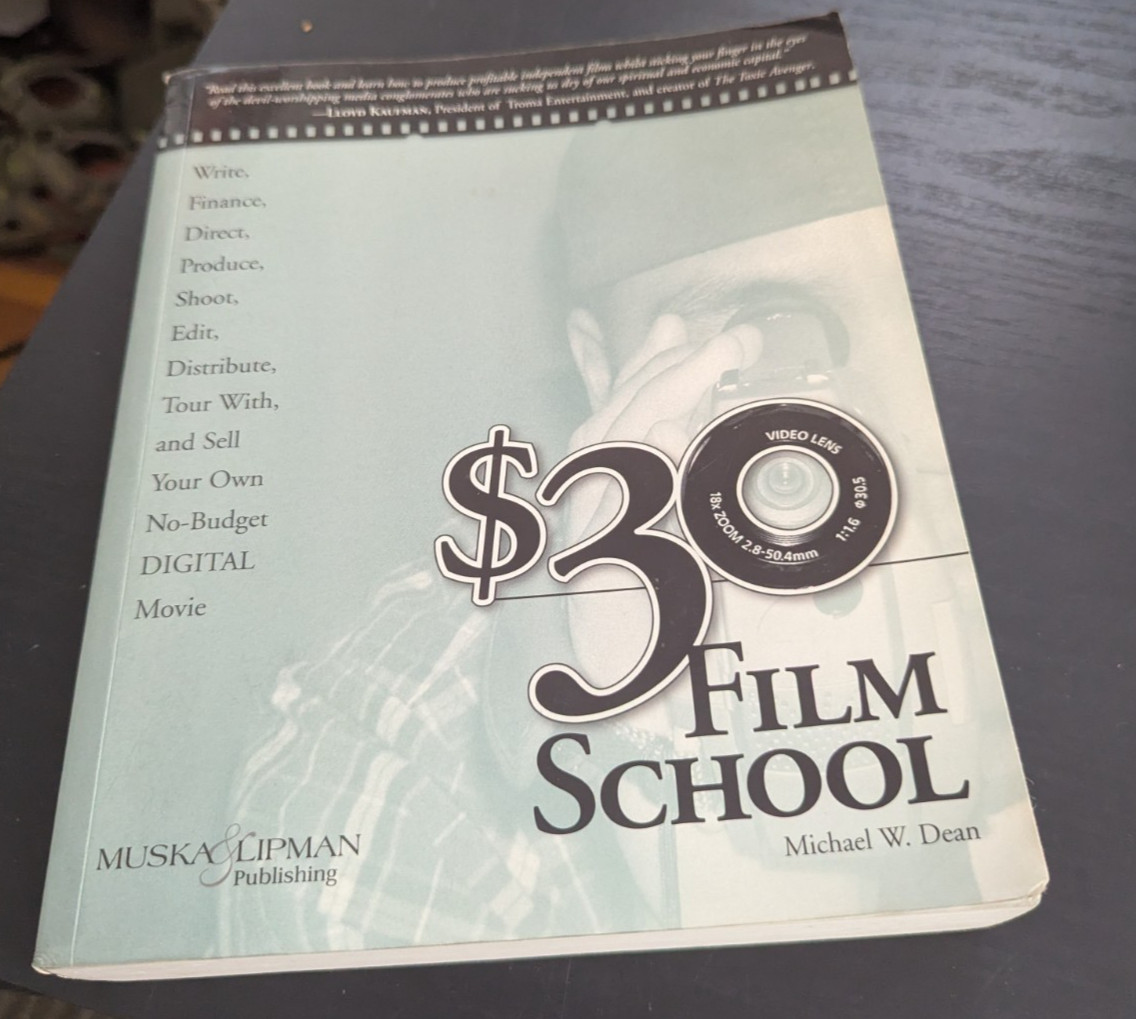
This 507-page trade paperback is aimed at beginner adult learners, and its acceptable condition reflects some wear, staining, and writing on an inside page. The 2004 publication date is the main limitation to keep in mind if you hope to follow along with the latest production gear.