Building a music audio production setup usually starts with a choice: learn the process first or buy the hardware and figure it out as you go. The four options below sit on opposite sides of that split-two books and two mixers-so you can compare the cost of learning against the cost of doing.
Quick take: If you want the least expensive entry point, the Soundtrack Success guide covers post-production fundamentals. If you already use IK Multimedia T-RackS, the official guide from Bobby Owsinski offers a structured path through mixing and mastering. For hardware, the mixer with a 3-band equalizer is the priciest option, while the mixer board with detailed frequency response specs costs a little less.
| Product | Price | Price Bar | Consider if |
|---|---|---|---|
| Mixing and Mastering with IK Multimedia T-RackS | USD 46.52 | You want a structured walkthrough of a specific software workflow | |
| Soundtrack Success: Audio Post-Production | USD 10.00 | You're learning post-production concepts on a small budget | |
| 16-Channel Studio Audio Mixer (Bluetooth/USB) | USD 99.95 | You want a new mixer with EQ and wireless convenience | |
| 16-Channel Studio Audio Mixer Board (Bluetooth/USB) | USD 90.64 | You want a tabletop mixer with published technical specs |
How to choose: If learning theory is your immediate goal, the least expensive book is the obvious starting point. If you've already picked T-RackS as your software, the official guide keeps you in that workflow. For hands-on mixing, decide whether you want a mixer with a simple control surface and EQ, or a board with a more detailed spec sheet and an added power connection to plan.
The four options in focus:
Mixing and Mastering with IK Multimedia T-RackS: The Official Guide
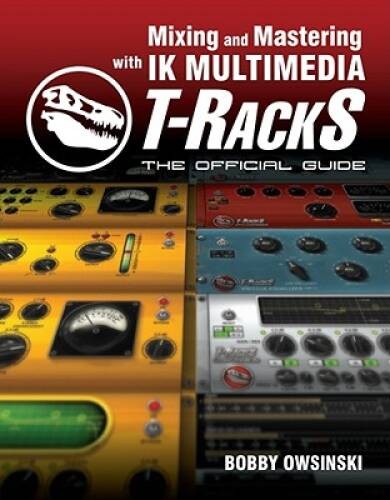
Bobby Owsinski's guide is a trade paperback in good condition. If you're using IK Multimedia T-RackS, this official book maps out a mixing and mastering workflow you can follow step by step. Its structure is tied to the software, so it's most valuable when you already have T-RackS or are committed to learning it. The trade-off is that it doesn't cover general audio post-production as broadly as the other book, and the good-condition rating means you're buying a used copy rather than a fresh one. It sits in the middle of the price range here.
Soundtrack Success: Audio Post-Production
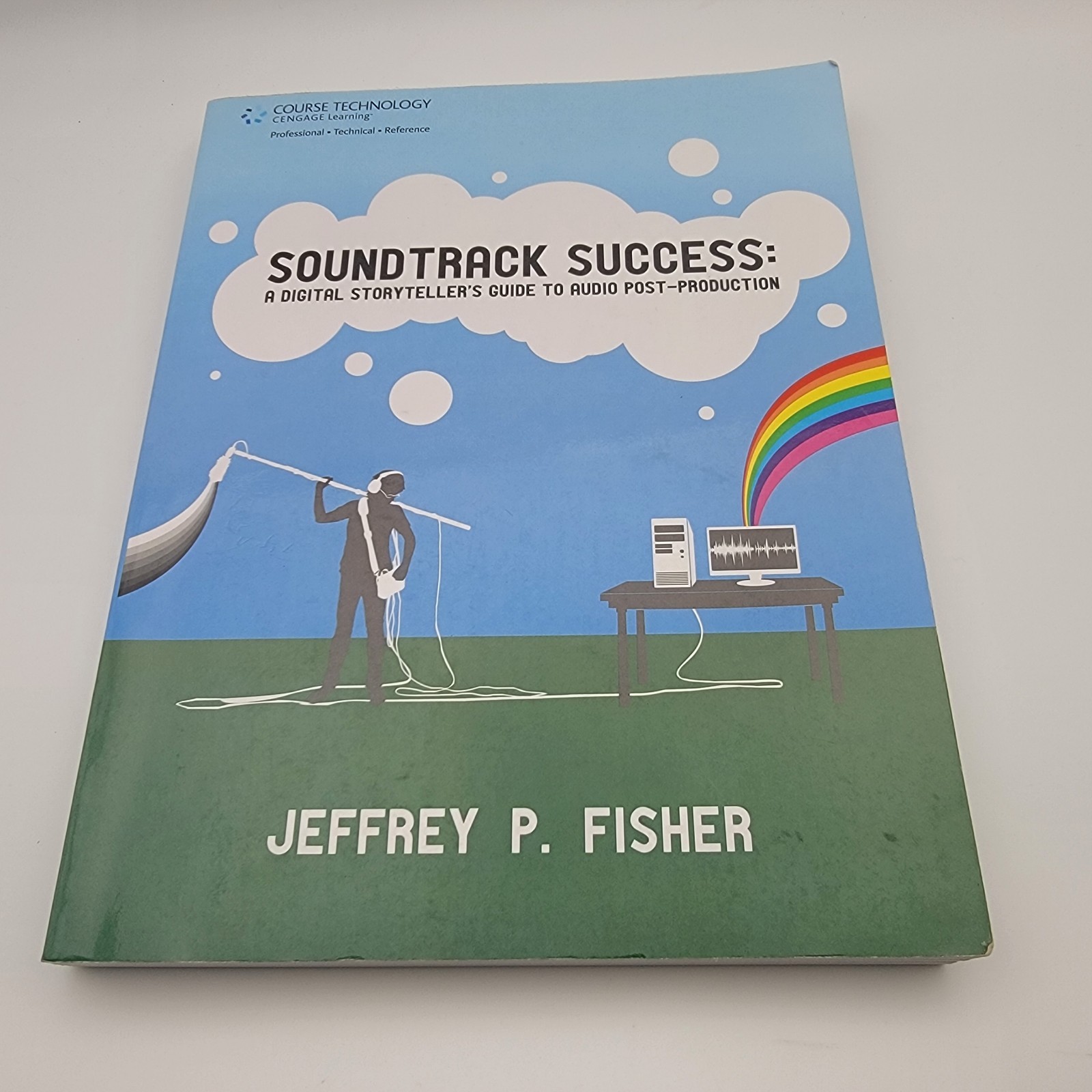
Jeffrey P. Fisher's guide is the least expensive item in this group. It's aimed at digital storytellers, with coverage of recording, reproduction, and digital media audio, and it's in like-new condition. If you're not sure whether audio post-production is the direction you want, this is a low-cost way to find out. The limitation is that it's a text, not a hands-on tool, so you won't get the tactile feel of a mixer. It was published in 2011, which means the examples reflect that era's recording environment, but the underlying production concepts are still a valid starting point.
Studio Audio Mixer (Bluetooth/USB)
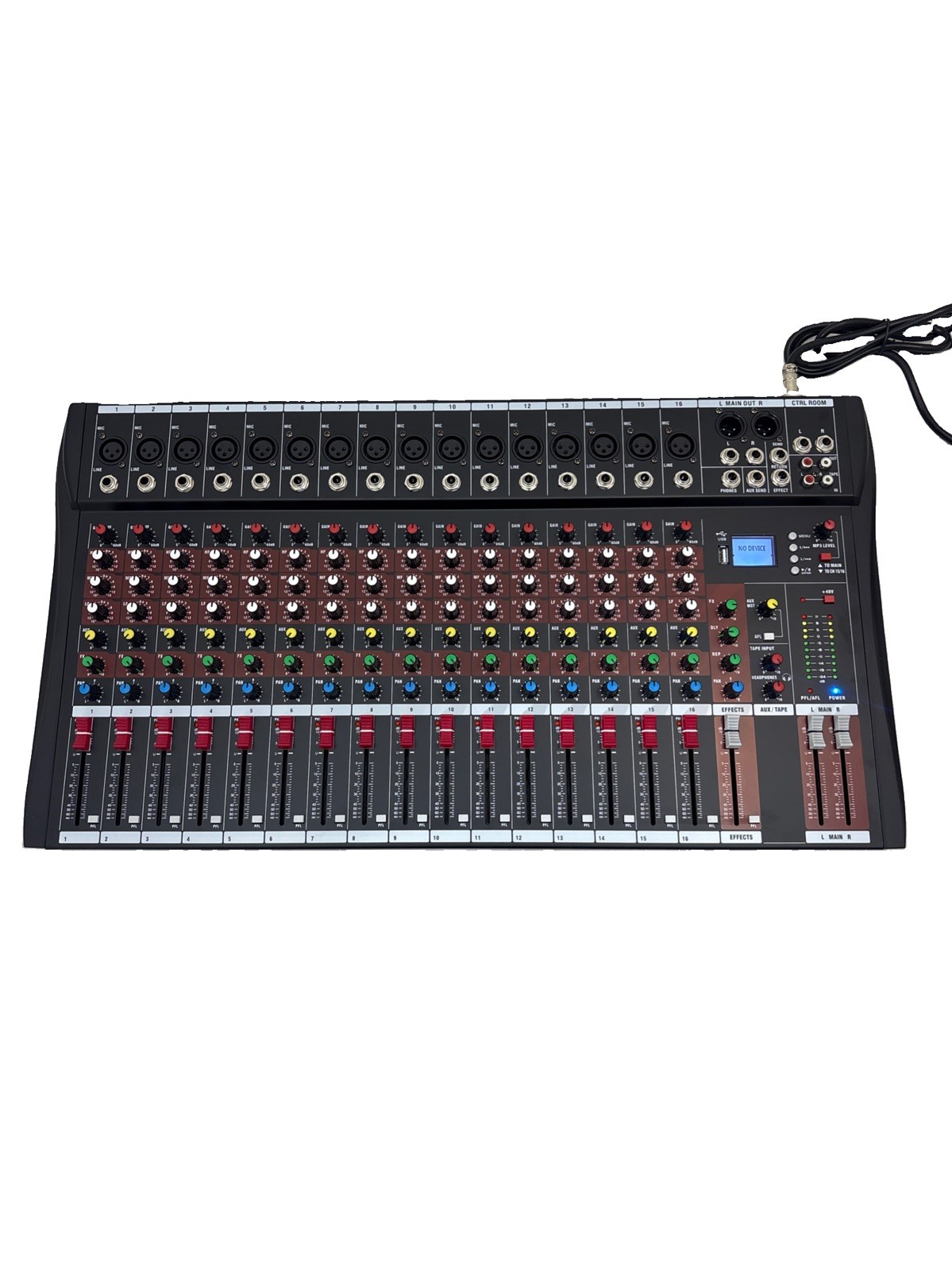
This new mixer is the most expensive product in the comparison. It's designed for convenient operation and easy installation, and it includes a 3-band equalizer for shaping tone. If you want to work hands-on with sound and prefer wireless and USB input options, this gives you a straightforward physical control surface. The catch is that its attention is on operation convenience rather than a long list of measurements, so if you need exact frequency response or input/output levels, you'll find more of them on the other board. It's a practical choice for a project studio where ease of use matters more than a published spec sheet.
Studio Audio Mixer Board (Bluetooth/USB)
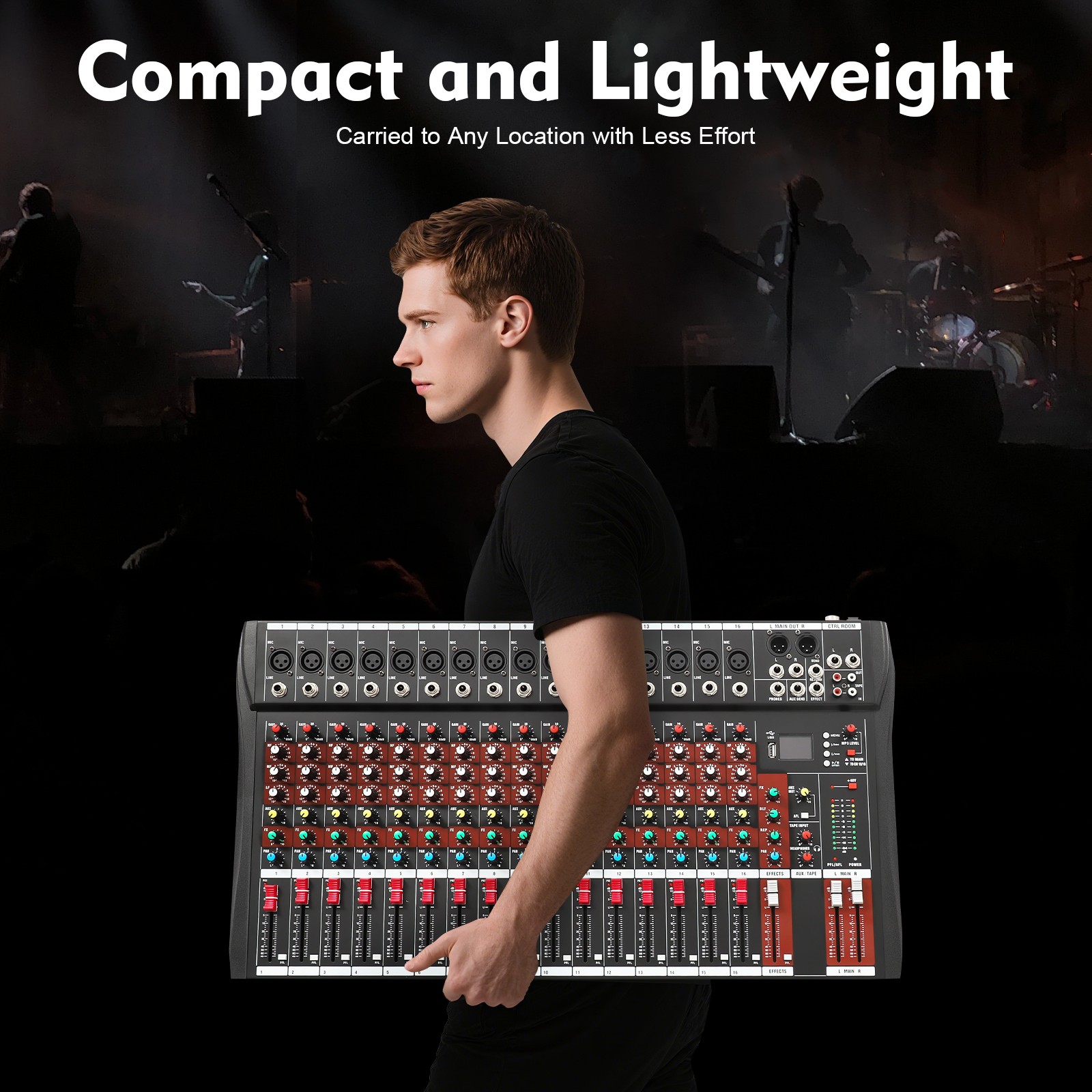
This tabletop board carries a detailed set of published measurements, including frequency response and input/output levels, which makes it a solid choice if you like to verify performance before you buy. It also offers the same input flexibility as the other mixer. Its main catch is that it has no built-in power supply and requires a separate power source for the speakers, so you'll need to factor that into your setup. It's a slightly more economical path to a mixer control surface, with specifications that give you more to check before you connect it.
Final recommendation: If you're brand new and want to understand audio post-production without spending much, start with the Soundtrack Success book. If you're already invested in IK Multimedia T-RackS, add the Owsinski guide. For a physical mixer, choose the higher-priced option if you want easy operation and EQ control, or the lower-priced board if you want detailed measurements and can handle the separate power requirement.