Choosing a language-education study book means balancing subject depth, intended audience, format, and price. If you want one volume focused on second-language acquisition and teaching practice, *Principles of Language Learning and Teaching* is a clear fit. If you need a lighter workbook or a different language, its textbook format may not match your study plan.
Quick verdict
At USD 45.92, this is a focused textbook for readers who want a structured study of language-learning principles rather than a casual phrase guide. Its coverage includes bilingual education, the language experience approach, and general language-learning principles. The stated audience includes both language learners and educators, giving the book a useful dual purpose for study or teaching preparation.
The central trade-off is focus: this title is built around understanding how languages are learned and taught. That makes it more relevant to readers exploring second-language acquisition than to someone seeking a narrowly practical workbook or conversational practice guide.
Who it suits
This book is worth considering if you are:
- Studying second-language acquisition as part of language education.
- Teaching languages and looking for broader principles and strategies.
- Interested in bilingual education or the language experience approach.
- Comfortable working with an English-language trade paperback.
It is also a reasonable fit for a reader who wants a single study text that connects language-learning theory with teaching methods, rather than concentrating on one classroom technique.
What stands out from the listed details
The subject coverage is wide enough to support more than one type of reader. Bilingual education brings an educational-policy and classroom dimension, while the language experience approach adds a specific teaching perspective. General language-learning principles provide the broader framework around those topics.
Heekyeong Lee and H. Douglas Brown are credited as the authors, and Taylor & Francis Group is identified as the publisher. The 266-page length gives the book a defined course-text shape without turning the review into a page-count decision alone. The 2025 publication date may also matter to shoppers who want a recent title for their language-education reading list.
Meaningful trade-offs
The main constraints are format, language, condition, and price. This is an English trade paperback in Very Good condition, so it may not suit a shopper prioritizing another format, another language, a different condition, or a lower listed price. At USD 45.92, the purchase makes the most sense when the book's specific second-language and teaching-method focus matches your goal.
The book's scope can be a strength for educators and serious learners, but readers seeking a short introductory pamphlet may find a 266-page textbook more involved than necessary. That is a study-style trade-off rather than a flaw in the subject coverage.
Principles of Language Learning and Teaching
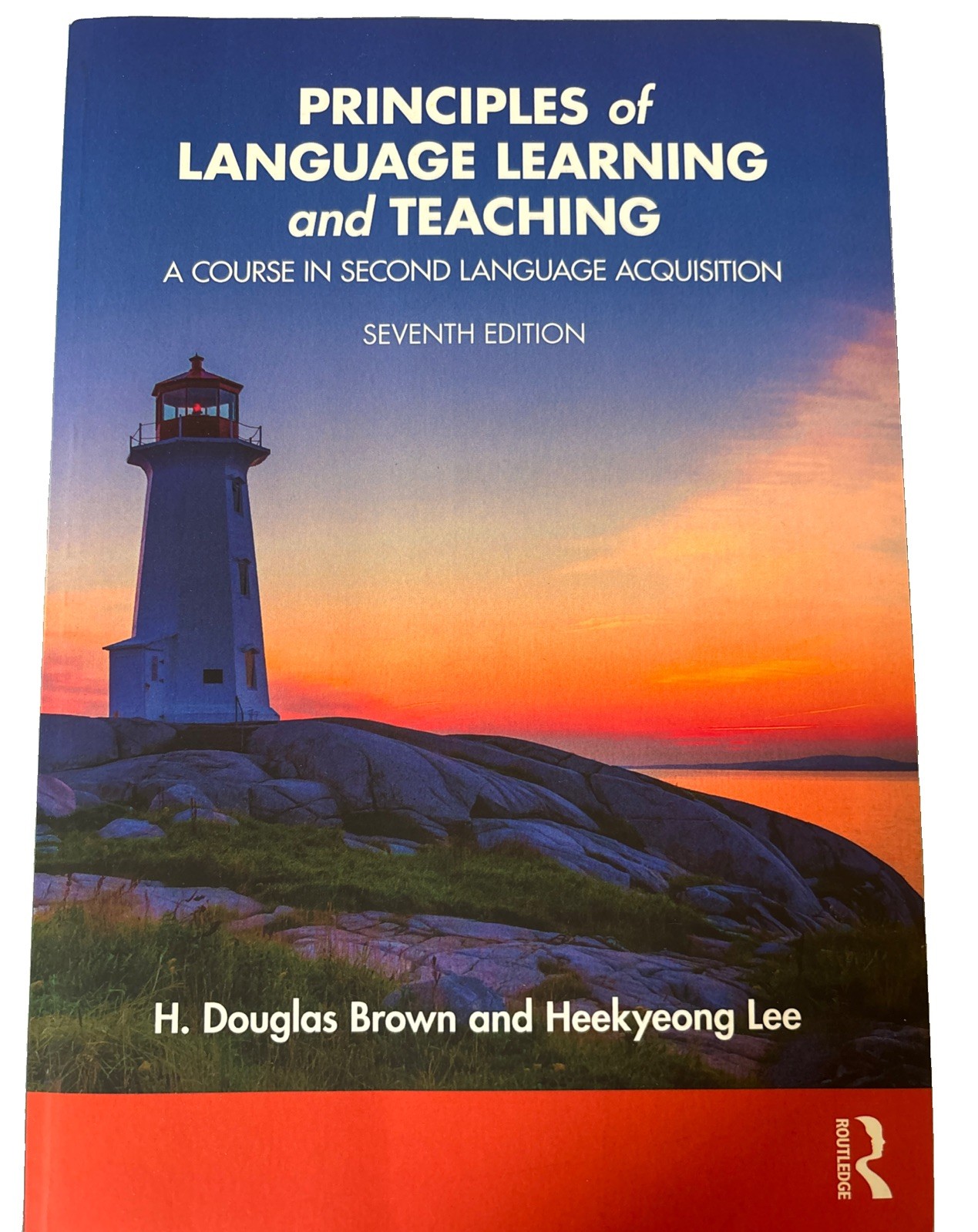
Choose this title when you want an English-language textbook that brings together second-language acquisition, bilingual education, the language experience approach, and general teaching principles. Its strongest practical reason to choose it is the combination of language-learning insight and educator-oriented strategy in one volume.
A concrete limitation is the defined trade-paperback format and USD 45.92 price. Shoppers who need a different format or want to keep their purchase below that amount may not find this particular book suitable.
Bottom line
*Principles of Language Learning and Teaching* is aimed at readers who want to study the ideas behind language learning and teaching, not simply practice everyday phrases. For language learners and educators seeking coverage of second-language acquisition alongside teaching principles, it presents a focused textbook choice.